English • Deal

Brookfield Confronts Asset Freeze — Is IFC Ownership Now Exposed?

Attachment on SPC shares triggers EOD countdown Refinancing and continuation strategy face immediate disruption

2025-11-21 01:54:46김우영kwy@corebeat.co.kr

핵심요약

Mirae Asset’s attachment on IFC SPC shares has activated a 30-day EOD cure period, putting Brookfield’s fund under immediate pressure. Refinancing and the continuation fund process are effectively suspended, as no new debt or LP capital can proceed under an active encumbrance. The KRW 200bn (USD 138m) refund is difficult to pay quickly due to fund-structure constraints, while delay interest of KRW 52m (USD 36k) per day continues to build. SIAC’s one-sided ruling and the resulting attachment introduce a new layer of execution risk for large Korean real estate transactions.
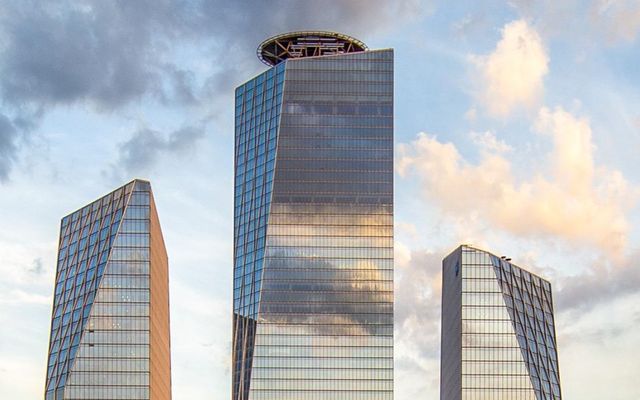
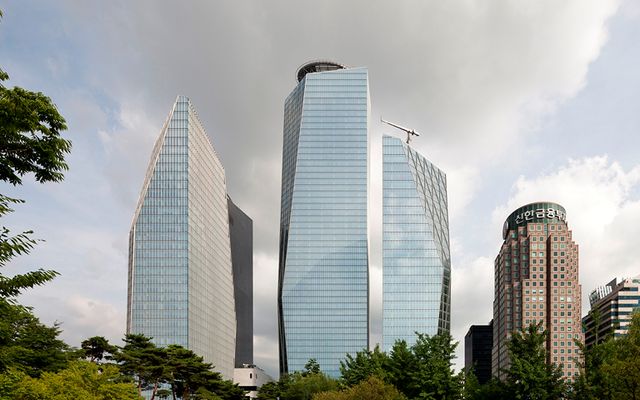
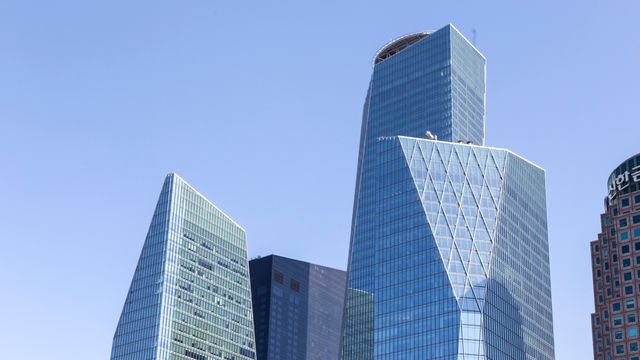
The dispute over Seoul’s IFC between Mirae Asset Global Investments and Brookfield Asset Management has entered a materially more consequential phase.


Mirae Asset has sought a provisional attachment on the equity interests of the Korean and Singaporean SPCs that hold IFC, citing Brookfield’s non-compliance with a Singapore International Arbitration Centre (SIAC) ruling ordering the return of a KRW 200 billion (USD 138 million) deposit.


What began as a post-termination refund dispute is now evolving into an Event of Default (EOD) risk at the fund level.


A One-Month EOD “Cure Period” Is Now in Play

Market participants agree that Mirae Asset’s move significantly increases pressure on Brookfield’s fund vehicle.
For a flagship asset like IFC, any encumbrance—particularly a provisional attachment—typically triggers a Cure Period, most commonly set at 30 days.


If the encumbrance is not cleared within that period, the loan automatically slips into EOD.


Should that occur, lenders could accelerate repayment and demand full settlement. While unlikely, the tail-risk scenario is serious enough: lenders could enforce security and initiate asset-level sale proceedings. The fact that this now needs to be considered is itself a major shift in the deal’s risk profile.

Refinancing Frozen; Continuation Fund Process Interrupted

The attachment also disrupts Brookfield’s ongoing continuation-fund strategy for IFC.


Brookfield’s plan was to retain long-term ownership of IFC while giving liquidity options to existing LPs by transferring IFC into a continuation vehicle and onboarding new institutional capital. Given IFC’s reputation as one of Korea’s most stable core-grade assets, several domestic and global pensions had already shown active interest.


That process is now effectively halted.


With an encumbrance in place and an EOD trigger looming, the fund cannot refinance, restructure its capital stack, or close new LP commitments—fundamental prerequisites for a continuation transaction.

Why Brookfield Isn’t Moving to Pay — at Least Not Immediately

Although KRW 200 billion (USD 138 million) is immaterial relative to Brookfield’s global scale, IFC is held within a fund, not on Brookfield’s balance sheet. SIAC’s ruling requires the fund—not the manager—to return the deposit.


And timing is the real constraint. The vehicle does not maintain liquidity of that size, and raising capital, securing new debt, or selling assets within a 30-day cure period is effectively impossible.


Brookfield could theoretically bridge the amount, but doing so would carry governance and legal implications—effectively signaling acceptance of the SIAC award at a moment when the firm is preparing further legal action.


Meanwhile, financial pressure is compounding. SIAC ordered Brookfield’s fund to pay delay interest estimated at KRW 52 million (USD 36,000) per day, on top of substantial legal expenses already incurred.

A Two-Year Arbitration — And a Market Left Unsatisfied

Mirae Asset’s assertive posture is now clear, but industry sentiment is more complicated.


Many practitioners expected SIAC to deliver a swift, commercially pragmatic resolution to a complex cross-border dispute. Instead, the process stretched nearly two years, and the final ruling landed as a clean, one-sided outcome—far from the “market-reflective compromise” many had anticipated.


Mega-transactions like IFC involve extensive bespoke adjustments between buyer and seller. The expectation was that SIAC’s decision would reflect these commercial realities. Instead, the ruling has introduced a new category of execution risk.


There is growing concern that future transactions may face increased rigidity—potentially pushing negotiations toward zero-sum standoffs rather than commercially negotiated adjustments.


Even long-standing hard-deposit structures may lose flexibility as parties grow more defensive.


A senior institutional investor summarized the mood bluntly:
“This isn’t just about one dispute. It may become a friction point for global capital evaluating Korean commercial real estate.”